
As Iowa lawmakers convene for the 2026 legislative session, reproductive healthcare is once again expected to be a focus of debate. While abortion access often dominates headlines, the policies under discussion this year extend far beyond a single issue. They shape how and whether Iowans can access healthcare at all, particularly in rural communities.
What’s Likely to Be Debated This Session
Based on reporting from Iowa news outlets and legislative activity from recent years, several reproductive health topics are expected to resurface:
- Medication abortion regulations, including proposals that would limit or prohibit access to abortion pills through telehealth or mail
- New informational requirements for clinics and providers, some of which have appeared in previous sessions
- Healthcare workforce shortages, especially the availability of OB-GYNs and maternity care in rural Iowa
- Broader reproductive health policy, including how abortion laws intersect with prenatal, postpartum, and preventive care
Each of these issues is connected. Restrictions in one area often affect access across the entire healthcare system.
Medication Abortion and the Question of Safety
A central theme in many proposed policies is patient safety. Critics of mailed medication abortion frequently argue that abortion pills should only be provided through in-person physician visits rather than telehealth.
It’s important to understand the context of this debate. Medication abortion has been used in the United States for decades and is supported by extensive clinical research. Major medical organizations, including the American College of Obstetricians and Gynecologists and the World Health Organization, recognize medication abortion, including when prescribed via telehealth as a safe and effective form of care.
As legislative discussions move forward, the question before policymakers is not whether the medication itself is safe, but how access is structured, especially in areas where in-person care is already difficult to reach.
Why Geography Matters in Iowa
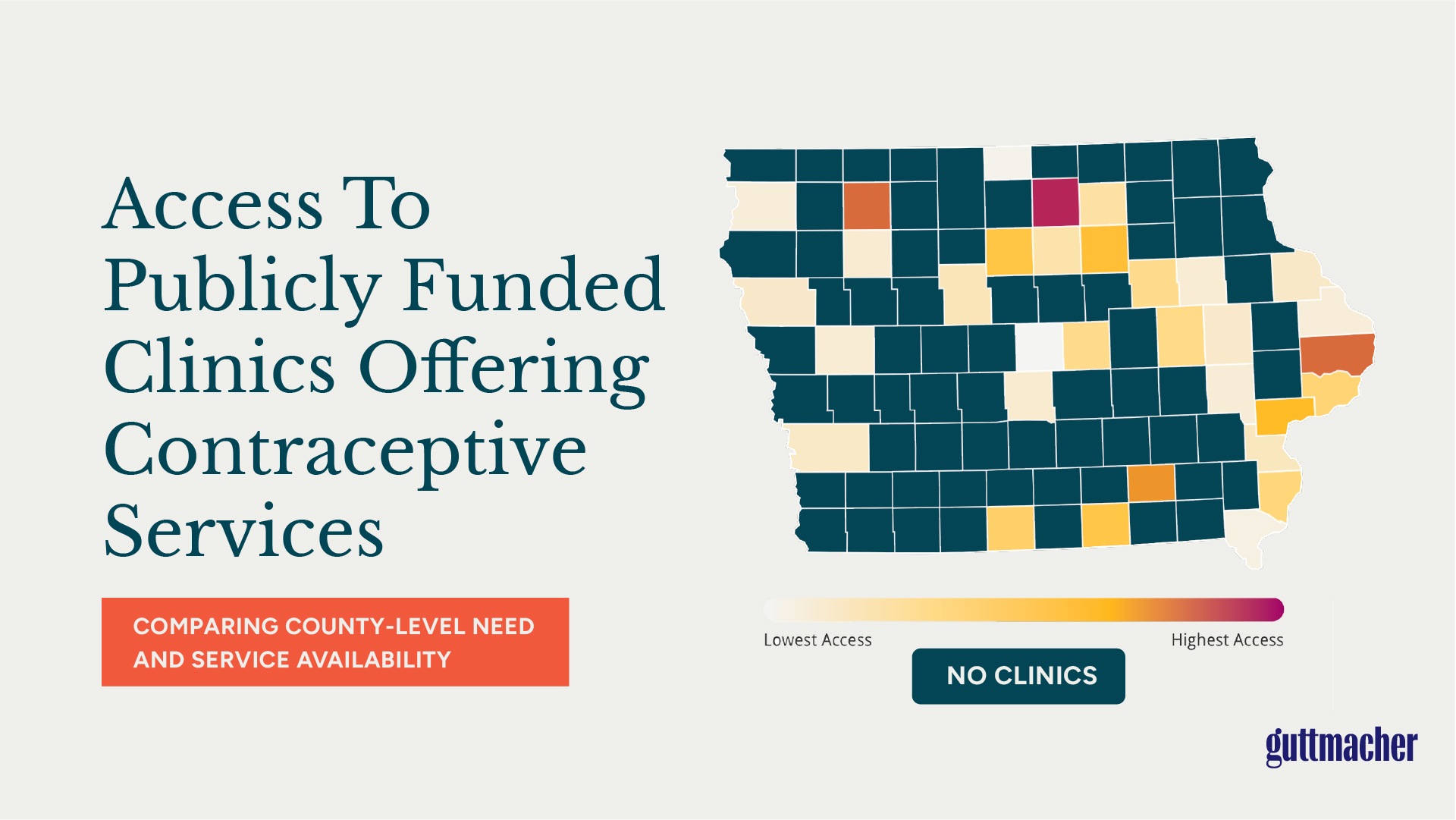
For many Iowans, particularly those in rural counties, requiring in-person visits for medication abortion can create barriers even when the medication remains legal. Long travel distances, limited provider availability, and time off work can delay or prevent care altogether.
These challenges are not hypothetical. Iowa continues to face shortages of OB-GYNs and maternity care providers, and many rural hospitals no longer offer labor and delivery services. Policies that assume easy access to physicians do not reflect this reality.
Why This Matters for Iowans
The 2026 legislative session will shape how reproductive healthcare functions in Iowa, not just for those seeking abortion care, but for anyone who relies on prenatal services, gynecologic care, or preventive screenings.
Understanding what is being debated, and why it matters, helps Iowans follow how healthcare access is being defined across the state.
For more reproductive rights information and updates on Iowa healthcare access, visit our resources page or sign up for our newsletter.
Empower change.
Sign up for our newsletter and stay informed on reproductive healthcare issues in Iowa.