For people living in rural Iowa, healthcare access is shaped as much by geography as by law. When medication abortion cannot be accessed by mail, the impact is not abstract, it is immediate and practical.
Distance Becomes the First Barrier
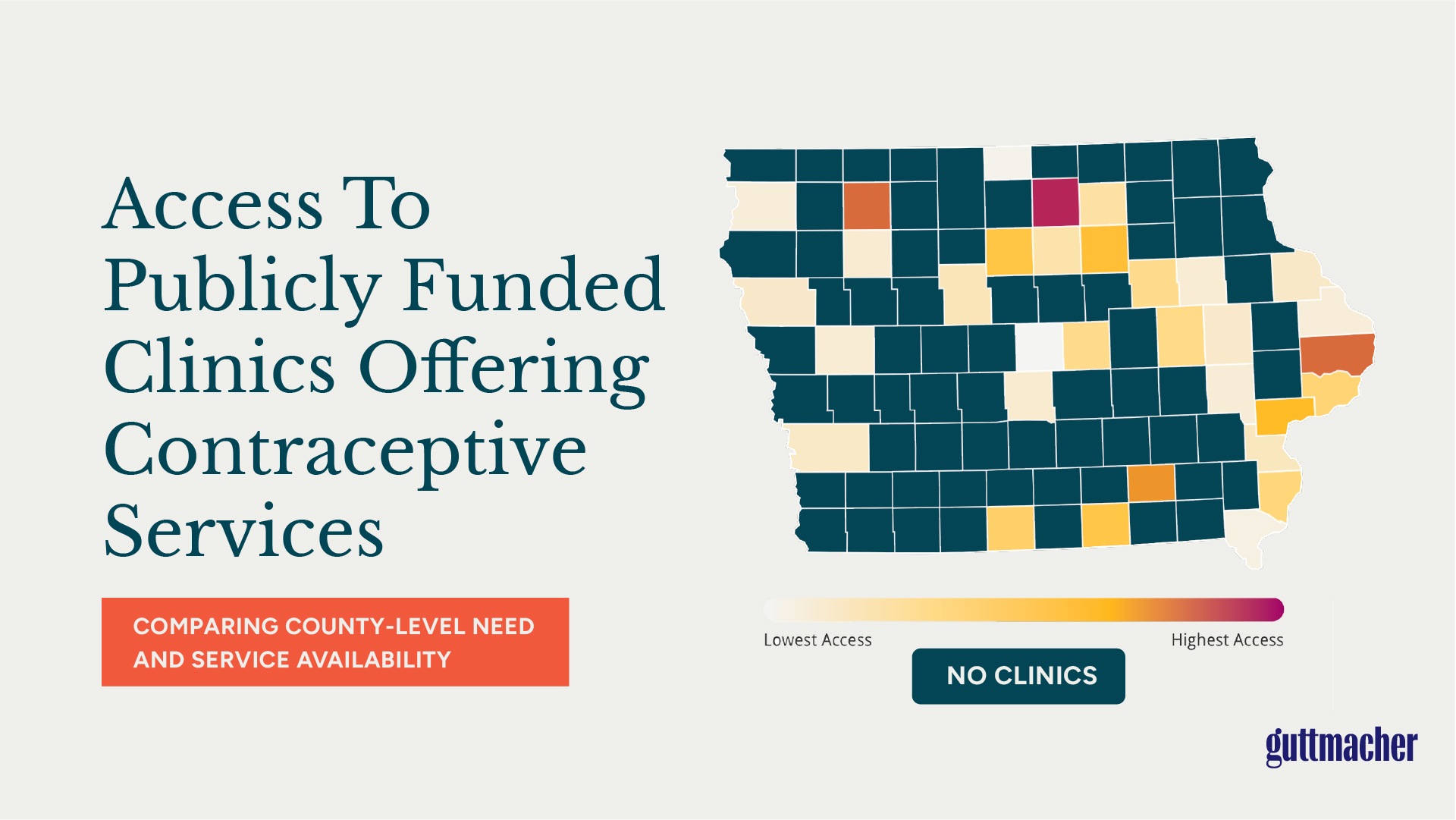
Many rural Iowa counties have no OB-GYNs and no hospitals offering labor and delivery services. When medication abortion is unavailable by mail, patients may need to travel several hours to reach care, often requiring time off work, childcare arrangements, and transportation resources that are not readily available. For some, this distance alone ends access.
Delay Changes Medical Outcomes
Medication abortion is typically used early in pregnancy. When access is delayed by travel requirements, appointment availability, or legal uncertainty, patients may no longer qualify for medication abortion at all.
Delay is not neutral. Earlier access generally means simpler care. Later access can mean more complex procedures, higher costs, or continuation of a pregnancy that someone may not be prepared or able to carry. Early access, in this context, is a safety consideration.
Pregnancy Care Does Not Automatically Replace Abortion Access
A common assumption is that restricting abortion access leads to increased pregnancy care. In rural Iowa, this is often not the case.
The same regions facing abortion access barriers are also experiencing:
- Closures of maternity units
- Long travel times for prenatal visits
- Limited access to high-risk pregnancy care
Removing one form of care does not create another.
Emergencies Become Harder to Manage
When early care is unavailable, complications such as miscarriage or ectopic pregnancy may require emergency treatment. In rural hospitals with limited obstetric experience, patients may face transfers to distant facilities during critical moments.
Telehealth access to medication abortion can reduce these risks by allowing earlier intervention rather than crisis care.
Privacy and Economic Impact
In small communities, privacy is difficult to maintain. Traveling for care may require explaining absences to employers or relying on tight-knit networks for childcare and transportation. Rural workers are also less likely to have paid leave or flexible schedules. Missed work can mean lost income or lost jobs.
The Bottom Line
In rural Iowa, restricting mailed mifepristone does not increase care options. It increases distance, delay, cost, and risk in a healthcare system already under strain.
When access is debated at the Capitol, the consequences are felt far from it.
For more reproductive rights information and updates on Iowa healthcare access, visit our resources page or sign up for our newsletter.
Empower change.
Sign up for our newsletter and stay informed on reproductive healthcare issues in Iowa.