
Medication abortion now accounts for more than half of all abortions in the United States. As clinic access becomes more limited in many states, abortion pills, particularly mifepristone, have become a central focus of legislative attention.
In Iowa and across the country, proposals to restrict mailing abortion medication are often framed around safety, oversight, and enforcement. Understanding these arguments requires separating medical evidence from policy strategy.
Why Medication Abortion Has Become a Focus
Medication abortion allows patients to receive care earlier in pregnancy, often without traveling to a clinic. For some policymakers and advocacy groups, this accessibility presents a challenge to existing abortion restrictions.
Limiting mail delivery is one way to restrict access without banning abortion outright. It also shifts enforcement from clinics to individuals and providers, increasing oversight and legal scrutiny.
The Safety Argument and the Evidence
Opponents of mailed mifepristone frequently raise concerns about medical supervision, gestational dating, and complications. These arguments suggest that telehealth models provide less oversight than in-person care. Medical evidence tells a broader story. Medication abortion has been studied extensively and is associated with very low complication rates. Research comparing telehealth and in-clinic care shows similar safety outcomes, and national medical organizations continue to support telehealth as an evidence-based model.
This does not mean there are no risks, no medical care is risk-free but it does mean that safety concerns are already addressed within existing medical standards.
Law, Authority, and Control
Beyond safety, some efforts to restrict mailed mifepristone are rooted in legal and regulatory authority. Arguments invoking federal mailing laws, state control over medical practice, and enforcement challenges reflect broader debates about who regulates healthcare and how.
Mail delivery also makes abortion care more private and less visible, which complicates enforcement of abortion restrictions. For some policymakers, limiting mail access is a way to reassert control.
Why This Matters in Iowa
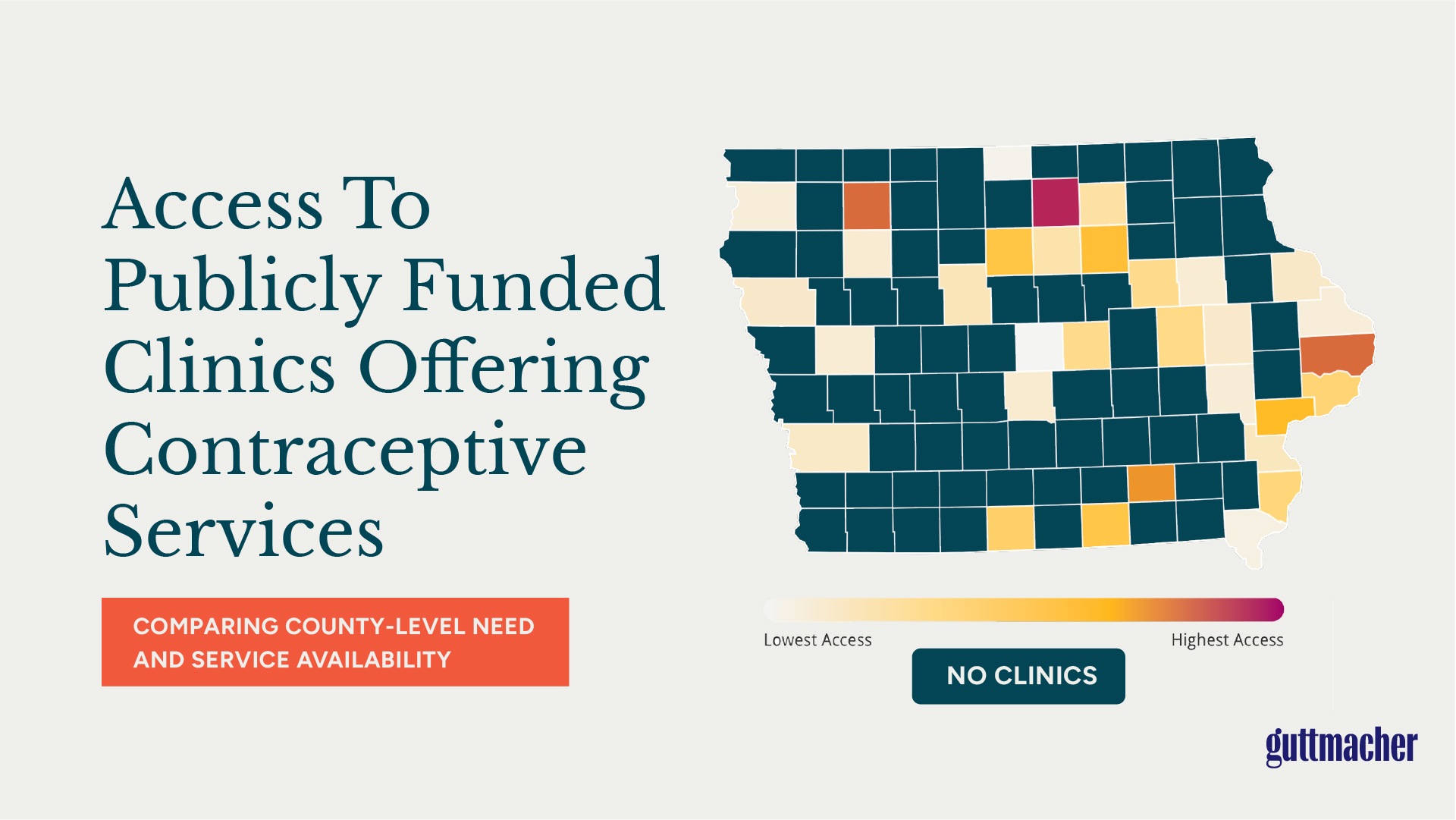
In a state with documented shortages of reproductive healthcare providers, restrictions on telehealth medication abortion can disproportionately affect those who already face barriers to care. These policies do not introduce new medical safeguards. Instead, they change how and how easily patients can access care that is already considered safe under current medical guidance.
2026 Legislative Update
Following the 2026 legislative session, HF 2788 was signed into law and took effect on July 1, 2026. The law adds new restrictions on medication abortion in Iowa, including eliminating telehealth as an option for Iowa providers to prescribe abortion medication and adding new requirements for in-person care and physician reporting.
Learn more about what changed during the 2026 legislative session in our 2026 Legislative Session Recap:
For more reproductive rights information and updates on Iowa healthcare access, visit our resources page or sign up for our newsletter.
Empower change.
Sign up for our newsletter and stay informed on reproductive healthcare issues in Iowa.